
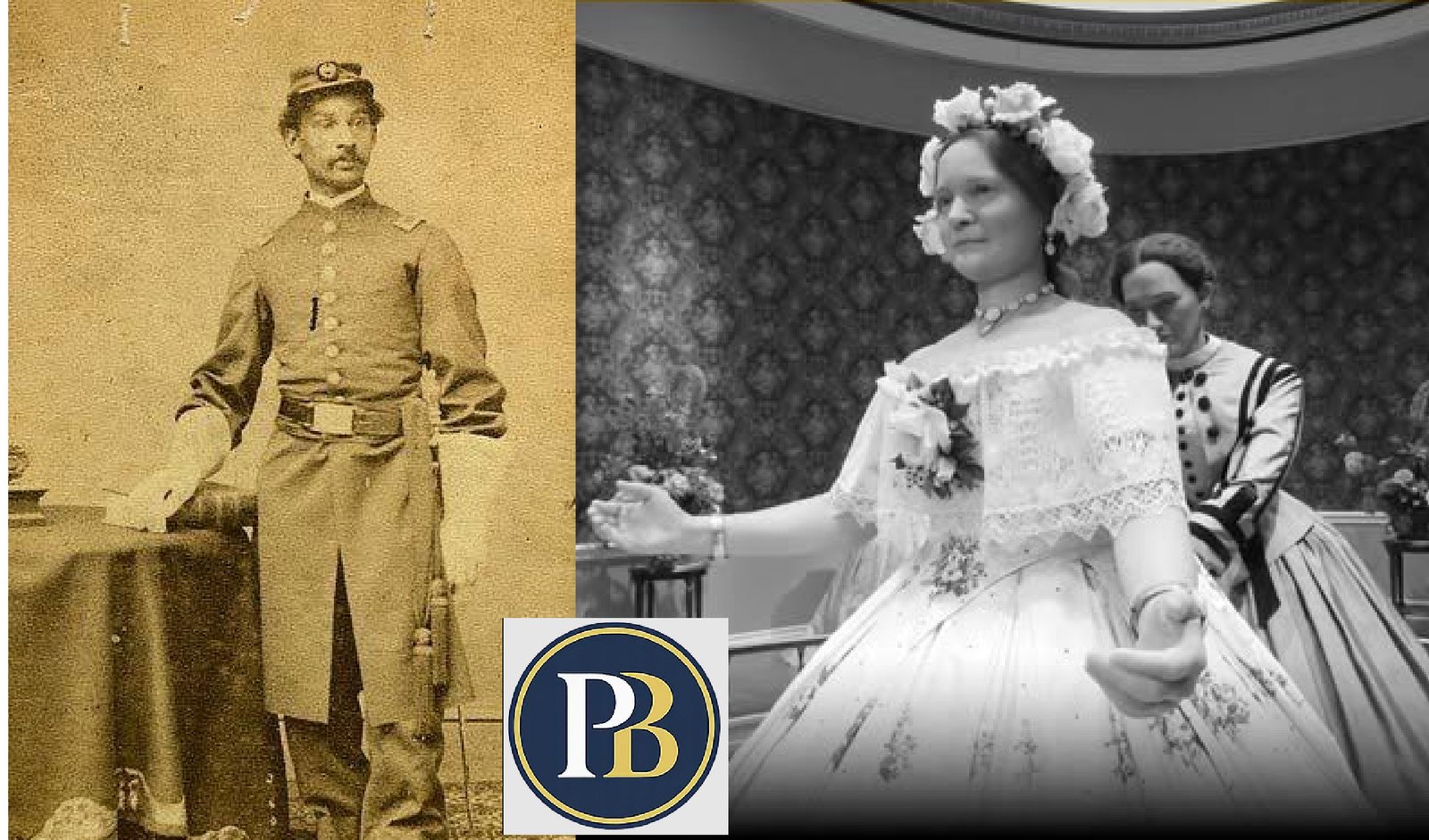
How does a young man born into chattel slavery transform into a Union soldier who gives his life for the nation’s freedom? George W. D. Kirkland lived that exact, heartbreaking reality. As the only child of Elizabeth Keckley—the formerly enslaved seamstress who became a confidante to First Lady Mary Todd Lincoln—his short life connected the painful cruelty of bondage with the heroic sacrifice of the American Civil War.
Behind the historical footnotes lies a story of remarkable perseverance, intellectual ambition, and poignant sacrifice. From his birth in North Carolina to his studies at Midwestern colleges and his tragic fall at the Battle of Wilson’s Creek, George’s journey offers a deeply moving look at quiet heroism, maternal devotion, and a young man’s ultimate price for freedom.
Personal Bio Details: George Kirkland
| Category | Details |
| Full Name | George W. D. Kirkland |
| Born | October 1839 / 1841 (Hillsborough, North Carolina) |
| Parents | Elizabeth Hobbs Keckley & Alexander Kirkland |
| Emancipation | Freedom Purchased for $1,200 in 1852 |
| Education | Wilberforce University & Oberlin College |
| Military Regiment | 1st Missouri Volunteer Infantry (Enlisted April 1861) |
| Battle & Death | Battle of Wilson’s Creek (August 10, 1861) |
| Legacy | Civil War Pension (1863) & Memory in Behind the Scenes |
Early Life and Birth Under Slavery
The earliest chapter of George Kirkland’s life began under the oppressive system of slavery in Hillsborough, North Carolina. Born in October 1839 (or 1841), he was the son of Elizabeth Hobbs Keckley and Alexander Kirkland, entering a world designed to strip enslaved families of their dignity and fundamental human rights.
His mother, Elizabeth, endured immense personal hardship during these early years, yet George remained her ultimate purpose and emotional anchor. Growing up as an enslaved child, George witnessed the quiet strength of his mother, whose skill and determination would eventually pave a path out of bondage for them both.
Freedom Purchased by Elizabeth Keckley in 1852
For George and his mother, true liberation arrived through extraordinary maternal sacrifice and perseverance. In 1852, Elizabeth Keckley successfully raised $1,200—with support from generous St. Louis patrons—to purchase legal freedom for herself and her young son.
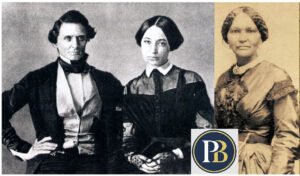
This pivotal moment severed their legal ties to chattel slavery and opened doors that were previously unimaginable. Securing his emancipation allowed George to step into a new world of personal growth, self-determination, and educational opportunities across the free states.
Education at Wilberforce and Oberlin College
Following his emancipation, George Kirkland dedicated himself to intellectual advancement during a period when higher education was rarely accessible to young Black men. Historical records place him in Ohio, where he pursued academic studies at both Wilberforce University and Oberlin College.
These Midwestern institutions provided a nurturing environment where George sharpened his mind alongside young idealists preparing for a changing America. His time in academia transformed him from a formerly enslaved child into an articulate, educated young man acutely aware of the national crisis brewing over slavery.
Light Complexion and Passing for White to Enlist
When the Civil War erupted in April 1861, the Union Army did not openly accept Black men into combat units—a restriction that remained until the creation of the United States Colored Troops in 1863. Driven by a fierce desire to fight against the slaveholding Confederacy, George utilized his light complexion to enlist as a white soldier.
Because his paternal lineage gave him fair features, George successfully navigated the racial restrictions of the era to join the Union military. His decision reflected a courageous and pragmatic resolve to contribute directly to the Union cause, stepping onto the battlefield when formal avenues were barred to men of African descent.
Enlistment in 1st Missouri Volunteers (1861)
In the spring of 1861, George W. D. Kirkland officially mustered into the 1st Missouri Volunteer Infantry, a vital Union regiment formed to secure the volatile border state of Missouri.
Entering active service during the war’s opening months, George quickly adapted to the rigors of military discipline and camp life. His transition from an enslaved youth to a uniformed Union soldier represented a profound personal triumph, placing him on the front lines of the struggle for the nation’s future.
The Battle of Wilson’s Creek and Fatal Sacrifice
George Kirkland’s military journey met a tragic end during his very first major combat experience at the Battle of Wilson’s Creek on August 10, 1861. Fought near Springfield, Missouri, this fierce engagement was one of the earliest large-scale clashes of the Civil War.
At just nineteen (or twenty-one) years old, George fought bravely alongside his regiment before falling in battle amidst heavy Union casualties. His untimely death cut short a promising life, turning an only son into an early martyr for the cause of American liberty.
Battlefield Burial and the Missing Grave Mystery
Following the chaotic Union retreat at Wilson’s Creek, the exact disposition of George Kirkland’s earthly remains became lost to historical certainty. Like many fallen soldiers from that bloody conflict, he was initially buried on the battlefield in a hastily dug grave.
When Union casualties were later reinterred at Springfield National Cemetery, many graves could only be marked as “Unknown.” While George’s physical resting place remains an unresolved mystery, his sacrifice lives on through official military muster rolls and national archival records.
Elizabeth Keckley’s Civil War Pension and White House Grief
The news of George’s death devastated Elizabeth Keckley, leaving her to mourn her only child while serving as a trusted dressmaker in the Lincoln White House. In 1863, she was granted a special Union soldier’s mother pension, secured with help from abolitionist leaders Owen and Joseph Lovejoy.
George’s sacrifice deeply shaped Elizabeth’s bond with First Lady Mary Todd Lincoln, as both mothers shared the agonizing grief of losing young sons during the war years. Elizabeth later immortalized George’s memory in her famous 1868 memoir, Behind the Scenes: Thirty Years a Slave, and Four Years in the White House, honoring his bravery and enduring legacy.
Final Thoughts
George Kirkland’s life story stands as a poignant testament to human resilience, maternal devotion, and quiet heroism. Though his life was tragically brief, his journey from a child born into North Carolina slavery to a Union soldier lying on a Missouri battlefield connects the central struggles of nineteenth-century America. Through his courage and Elizabeth Keckley’s enduring memory, George’s legacy remains an inspiring chapter in the fight for freedom and human dignity.
Frequently Asked Questions About George Kirkland
Who was George Kirkland?
George W. D. Kirkland was the only child of Elizabeth Keckley, the formerly enslaved seamstress and author who served as Mary Todd Lincoln’s dressmaker. He was an educated young man who served as a Union soldier during the Civil War.
How did George Kirkland gain his freedom?
In 1852, his mother Elizabeth Keckley purchased freedom for herself and George for $1,200 in St. Louis, Missouri, allowing him to pursue education and military service.
Which college did George Kirkland attend?
Historical records show George attended both Wilberforce University and Oberlin College in Ohio prior to the outbreak of the Civil War.
How did George Kirkland enlist in the Union Army in 1861?
Because Black men were barred from enlisting in regular Union combat units in 1861, George utilized his light complexion to enlist in the 1st Missouri Volunteer Infantry.
How and where did George Kirkland die?
George was killed in action at the Battle of Wilson’s Creek near Springfield, Missouri, on August 10, 1861, during his first major combat engagement.
See More: Christine Marburg: $17.5M Divorce Settlement, Maine Home, & Life Today