
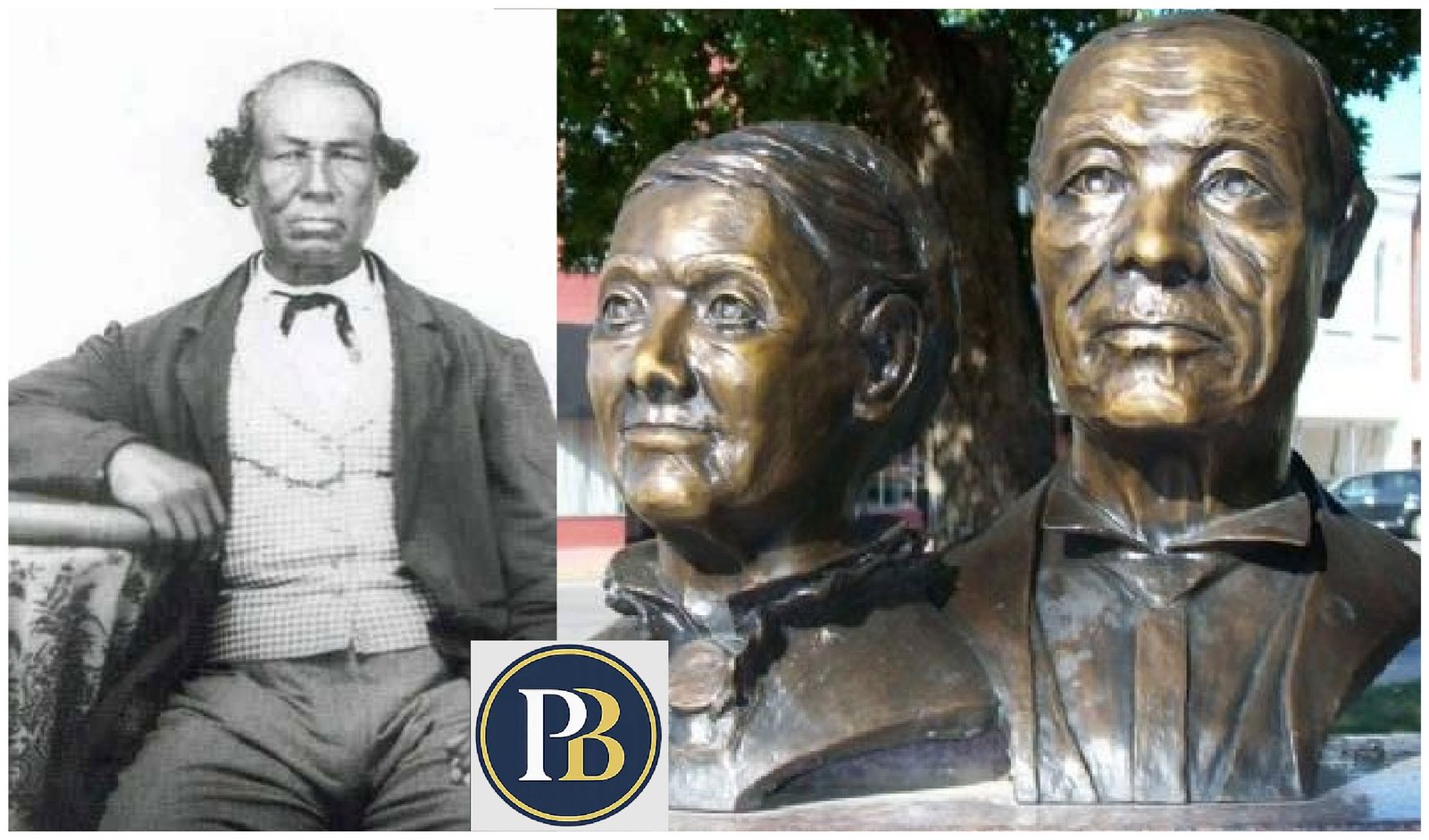
How did a Native leader guide his people through forced exile, shifting government treaties, and the rise of frontier boomtowns while carving out an eternal place in American history? Baptiste Peoria stood at the volatile crossroad of 19th-century American expansion. He was not merely a tribal chief; he was a brilliant polyglot diplomat, an official government interpreter, and the visionary co-founder of Paola, Kansas.
Born in 1786, his extraordinary life bridged the gap between the ancient homelands of the Great Lakes and the turbulent creation of modern Kansas and Oklahoma.
Personal Bio Details: Baptiste Peoria
| Detail | Information |
| Full Name | Baptiste Peoria (Native name: Pa-da-cog-wa-wa / Batees) |
| Birth Year | 1786 (Illinois Country / Great Lakes Region) |
| Date of Death | September 13, 1873 (Aged 86–87) |
| Spouse | Mary Ann Isaacs Dagenet Peoria (Known as “Mother Batees”) |
| Tribal Identity | Peoria Tribe (Head of the Confederated Allied Tribes) |
| Confederated Alliance | Peoria, Kaskaskia, Wea, and Piankashaw Nations |
| Civic Legacy | Co-Founder & President of the Paola Town Company (1857) |
| Final Resting Place | Peoria Indian Cemetery, Ottawa County, Oklahoma |
1786 Origins: Baptiste Peoria and the Peoria Confederacy
The origins of Baptiste Peoria trace back to 1786 in the lush heartland of the Illinois Country. He was born into the Peoria nation, one of the principal tribes of the Illiniwek Confederacy. From his earliest years, Baptiste grew up in a world undergoing rapid transformation, learning the traditional customs, survival skills, and deep oral traditions of his ancestors along the Illinois and Mississippi Rivers.
As pressure from white settlement intensified, the Peoria forged a historic alliance with neighboring tribes—the Kaskaskia, Piankashaw, and Wea. Together, they formed the Confederated Allied Tribes. Baptiste emerged as a natural leader within this council, recognized early on for his calm wisdom, sharp intellect, and fierce commitment to preserving tribal unity.
Forced Migration: Great Lakes to Kansas Territory
During the early decades of the 19th century, federal Indian removal policies forcibly uprooted Indigenous nations from their ancestral homelands. Baptiste Peoria watched as his people were compelled to sign away millions of acres in the Great Lakes region, embarking on a grueling westward migration into the newly designated Kansas Territory.
Arriving in present-day Miami County, Kansas, during the 1830s, Baptiste threw himself into the monumental task of rebuilding his community. He helped establish Peoria Village, securing shelter, agricultural fields, and governance for uprooted families who had lost their ancestral rivers. It was during this dark period of exile that his leadership transformed from local chief to national protector.
Baptiste Peoria: Leader, Interpreter, and Negotiator
What made Baptiste Peoria truly formidable was his astounding linguistic genius. He was a master polyglot who spoke fluent French, English, and multiple Native dialects, including Peoria, Wea, and Kaskaskia. Because of his rare ability to navigate complex legal concepts across cultures, the United States Government recognized him as an official tribal interpreter and head chief of negotiations.
Whether standing in frontier council houses or confronting federal Indian agents, Baptiste used his eloquence as a shield. He deciphered tricky treaty language, caught deceptive clauses, and fought tirelessly to ensure his people received their promised annuities, land allotments, and legal protections.
Kansas Reservation Treaties: Land Rights of 1833 & 1854
Baptiste’s diplomatic skills were put to the ultimate test during the federal negotiations that defined the tribe’s Kansas reservation. Under the Treaty of 1833, the Confederated Tribes secured a protected tract of land along the Osage River. Baptiste worked constantly to maintain clear boundaries and keep illegal squatters from encroaching on Native farmland.
However, as Kansas Territory opened for white settlement in 1854, intense political pressure forced the negotiation of the Treaty of 1854. Baptiste managed to salvage individual land allotments for tribal members and secured financial compensation for ceded territory, demonstrating remarkable tactical flexibility during a period of shrinking reservation borders.
Founding Paola: The Town Company & 1857 Presidency
In 1855, as incoming settlers established a trading post near Peoria Village, Baptiste Peoria took an unprecedented step for a Native chief: he actively shaped the civic layout of the new town. Recognizing that settlement was inevitable, he cooperated with white investors to establish the Paola Town Company, donating land for the original town square and residential lots.
His immense integrity earned him the respect of Native residents and pioneer settlers alike. In 1857, Baptiste Peoria was officially elected President of the Paola Town Company. Under his leadership, the settlement—named Paola in his honor—grew into a thriving county seat, standing as a rare historical example of a town co-founded and governed by a Native American chief.
Mary Ann Isaacs Dagenet Peoria: “Mother Batees”
Behind Baptiste’s civic accomplishments stood his equally remarkable wife, Mary Ann Isaacs Dagenet Peoria. Of mixed Wea and French heritage, Mary Ann possessed extensive knowledge of herbal medicine, caregiving, and community organization. Early residents of Paola affectionately called her “Mother Batees”, turning to her during times of sickness and hardship.
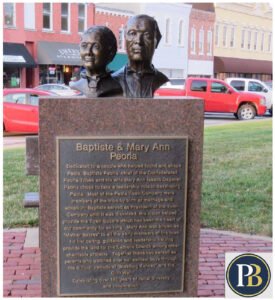
While Baptiste handled treaty politics and real estate, Mary Ann turned their home into a sanctuary for the needy. She nursed sick pioneers, cared for orphaned children, and opened her kitchen to anyone facing hunger. The warmth and generosity of “Mother Batees” left an affectionate imprint on the social fabric of early Miami County.
Bleeding Kansas & Civil War: Tribal Challenges
The late 1850s brought terrifying chaos to Miami County as the region erupted into “Bleeding Kansas”. Pro-slavery and abolitionist factions waged brutal guerilla warfare across the border. Baptiste Peoria had to navigate a razor-thin path of neutrality, protecting his village from armed raiders, horse thieves, and arsonists while maintaining law and order in Paola.
When the American Civil War broke out in 1861, the conflict further disrupted tribal life. Baptiste rallied his people, encouraging young Peoria and Wea men to enlist in the Union Army. Despite their loyal service to the United States, the end of the war brought renewed political schemes by railroad companies and land speculators to drive Native landowners out of Kansas.
The 1867 Treaty: Final Relocation to Indian Territory
Despite Baptiste’s decades of civic leadership in Paola, federal pressure became overwhelming. Under the Omnibus Treaty of 1867, the Peoria, Kaskaskia, Wea, and Piankashaw tribes were forced to sell their remaining Kansas lands and undergo yet another displacement—this time to Indian Territory (present-day Oklahoma).
It was a heartbreaking chapter for the aging chief, who had spent over thirty years building Paola. Yet, ever the pragmatic diplomat, Baptiste personally negotiated the purchasing terms for new tribal lands in Ottawa County, Oklahoma, ensuring his people held full legal title to their new reservation near the Neosho River.
Death, Burial, and Final Resting Place: September 13, 1873
After guiding his community through their final relocation, Baptiste Peoria spent his remaining years organizing tribal affairs in Oklahoma. On September 13, 1873, this legendary leader passed away at the age of 86–87, ending a life that spanned nearly nine decades of monumental American history.
He was laid to rest with deep honor at the Peoria Indian Cemetery in Peoria, Ottawa County, Oklahoma. His grave remains a sacred site for tribal members and historians, marking the resting place of a statesman who dedicated every breath to the survival of his people.
Legacy: From Paola, Kansas to the Modern Peoria Tribe
The enduring legacy of Baptiste Peoria lives on in two vibrant communities today. In Kansas, the city of Paola proudly honors its Native founder, preserving his name in its town square, local historical markers, and municipal heritage.
In Oklahoma, his leadership forms the bedrock of the modern Peoria Tribe of Indians of Oklahoma. Headquartered in Miami, Oklahoma, the federally recognized nation continues to thrive, proving that Baptiste’s lifelong battle to protect tribal sovereignty, cultural identity, and land rights was triumphantly won.
Frequently Asked Questions (FAQs) About Baptiste Peoria
Who was Baptiste Peoria?
Baptiste Peoria (also known as Pa-da-cog-wa-wa) was a renowned chief, master interpreter, and polyglot diplomat of the Peoria Tribe who co-founded Paola, Kansas.
Was Paola, Kansas named after Baptiste Peoria?
Yes. The town of Paola was named in honor of Baptiste Peoria. In 1857, he was elected President of the Paola Town Company, playing a central role in laying out the original settlement.
Who was Baptiste Peoria’s wife?
His wife was Mary Ann Isaacs Dagenet Peoria, universally known among early settlers as “Mother Batees” for her extensive charitable work, medical care, and hospitality.
What tribes made up the Peoria Confederacy led by Baptiste Peoria?
He led the Confederated Allied Tribes, which consisted of the Peoria, Kaskaskia, Wea, and Piankashaw nations.
Where is Baptiste Peoria buried?
He is buried at the Peoria Indian Cemetery in Peoria, Ottawa County, Oklahoma, where the tribe settled following the Treaty of 1867.
See More: Mariah Ann Earp: The Forgotten Sister of Wyatt Earp